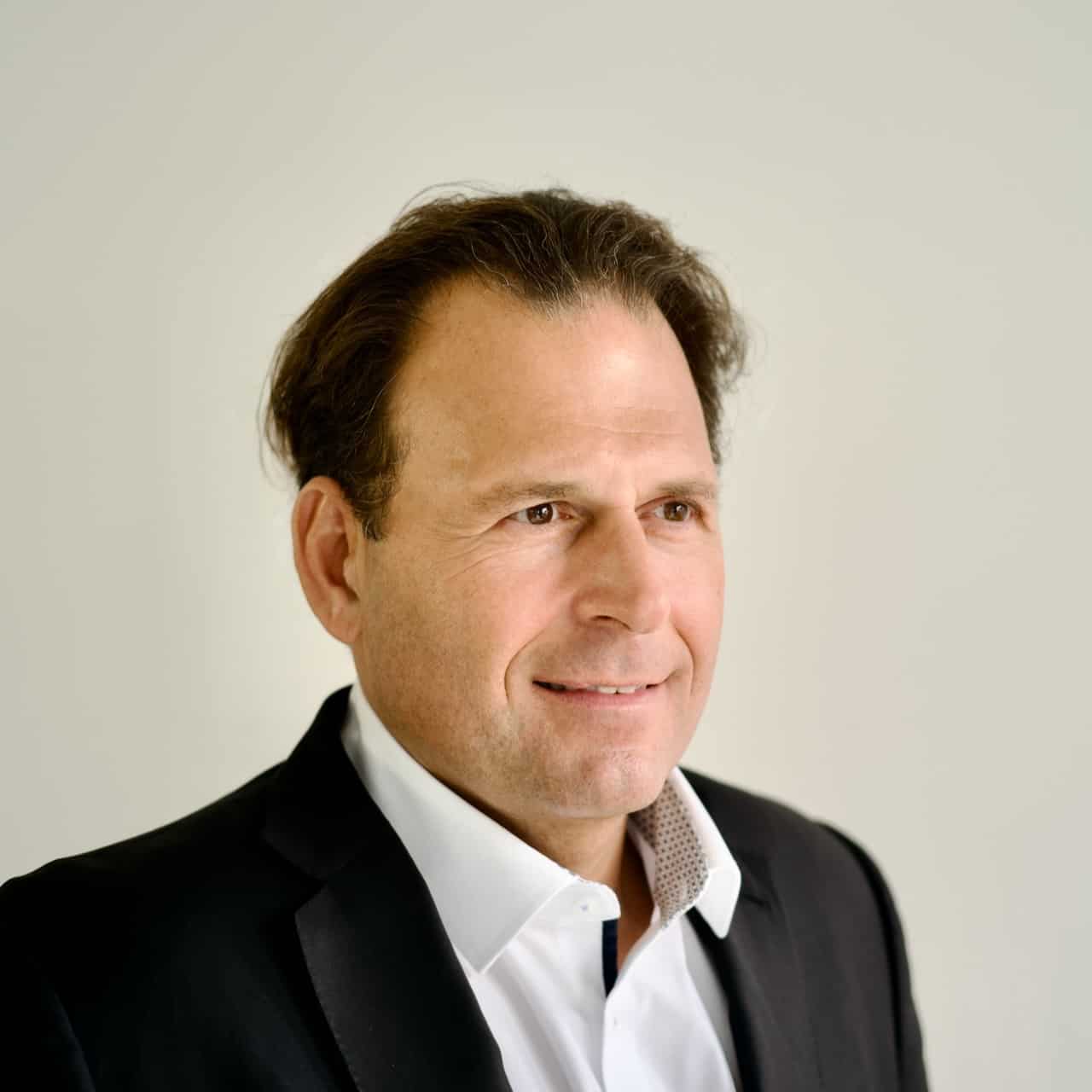

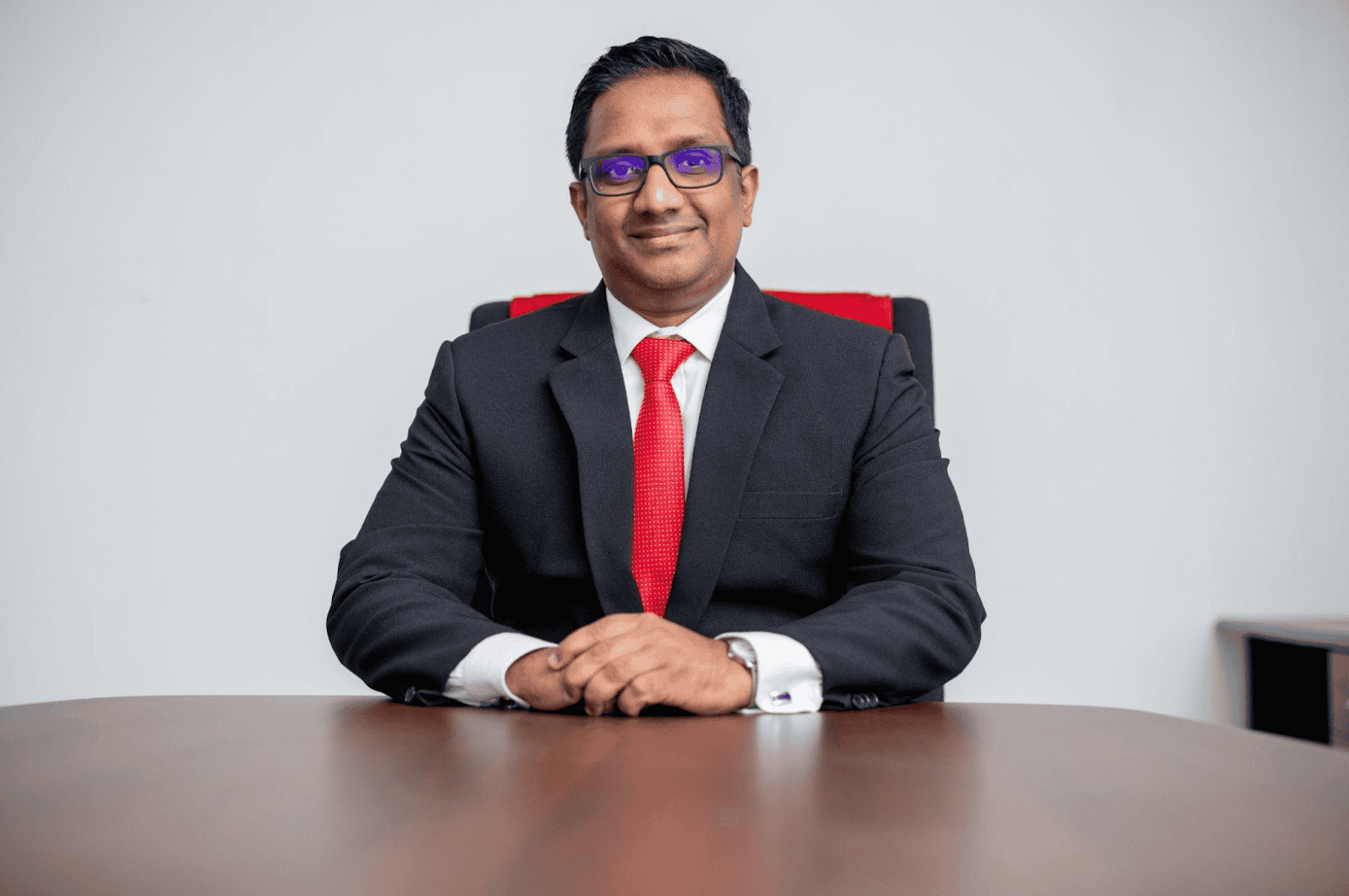
Rizanth Francis, CEO of Sejaya Micro Credit Limited, in conversation with Arya Murali, Gojo’s Impact Lead.
Arya: Rizanth, thank you for taking the time today. To start us off, could you briefly share your career journey and how you first entered the microfinance industry?
Rizanth: Sure. Before entering this industry, I actually saw myself more as a social worker. After graduating, I worked abroad for a while, but following the 2005 tsunami, I returned to Sri Lanka and found an opportunity in relief work with a leading international NGO. Later, I joined a microfinance institution which was run by the same international NGO. Since then, I’ve stayed in the sector—and over time, I’ve found it challenging, but at the same time, truly interesting. I started my career as a mere loan officer and ended as the CEO of the MFI.
==
Arya: Wow, so you’ve been in this field for nearly two decades. How has the relevance of microfinance in the context of Sri Lanka evolved in this period?
Rizanth: When I look back 10 or 15 years, the microfinance industry was much “purer”—fewer players, mostly NGOs or cooperatives, and no talk of over-indebtedness or unethical practices. But as the industry grew and became more lucrative, finance companies saw it as a blue ocean market opportunity to expand their existing business. Unfortunately, due to a lack of entry barriers, many entered the space without the same commitment to ensure client protection, and the sector became saturated and exploited with multiple lenders. Around 2016–2017, the industry entered a dark era where bad collection practices and multiple lending options led the entire industry to face over-indebtedness.
Due to instability in the political environment, some politicians pushed for debt forgiveness programmes for cheap political gains, asking MFIs and other financial institutions to write off loans, which significantly disrupted the sector and put many small MFIs out of the market.
In the past decade, Sri Lanka faced a series of economic shocks, too—economic downturns, the COVID-19 pandemic, and a severe financial crisis. These challenges weakened the banking sector and led to high loan defaults. As traditional banks became more risk-averse, MFIs stepped in to fill the gap, especially in rural areas with limited banking access. MFIs began providing small loans, compulsory savings, and financial literacy training to low-income individuals and micro-entrepreneurs. This support helped strengthen the informal sector, promote GDP growth, and bring more stability to the economy. The role of MFIs has been indispensable during this period of transformation.
==
Arya: It’s interesting to see how the industry has changed over time and how MFIs stepped in to support the more vulnerable clients. With so many unregulated lenders in the market, how does being one of the four Central Bank-regulated MFIs affect Sejaya’s work, and what does that mean for client protection, especially when clients may be borrowing from multiple sources?
Rizanth: That’s a really important point, Arya. Being one of the four microfinance institutions regulated by the Central Bank definitely gives us an edge in the field. When you're regulated by the government and certified by the Social Task Force for following globally recognised practices, it signals that you follow strong ethical standards and practices that protect clients’ interests.
However, even with that trust, client protection remains a major challenge in our context. There are numerous unregulated moneylenders who operate informally and attract clients with quick and easy loans. The reality is, many clients still borrow from multiple sources, sometimes from more than five (formal and informal) lenders, just to meet urgent cash needs. We’ve even seen people take loans at annual interest rates as high as 60%, simply because they had no other options.
At Sejaya, we take this risk seriously. One of our biggest challenges was not having access to a credit bureau to check clients’ credit histories. We worked with the Central Bank and Finance Ministry to gain access, and we’re now in the process of getting access to credit bureau checks into our loan approval process, which will be granted to us by the end of this calendar year.
Until this is fully in place, we’ve trained our loan officers to do thorough local credit checks. They gather information not just from clients, but also from centre leaders and peers to understand existing borrowings. While informal, this approach helps us lend more responsibly.
At the end of the day, our primary goal is to protect our clients from falling into over-indebtedness and unethical practices while ensuring they can still access the financial services they need.
==
Arya: Overindebtedness is a serious challenge—and one that seems hard to fully control. But even in such a difficult operating environment, Sejaya is continuously working on innovation projects. One of which is Pasio—can you tell us about it?
Rizanth: Yes—Pasio is something I’m genuinely excited about. It’s a fantastic tool and an opportunity for our clients. Through the Pasio programme, we provide income-generating loans to young entrepreneurs between the ages of 18 and 35, along with business skills and digital training. We provide an online platform where they can build digital storefronts and start selling their products online.
What’s amazing is that around 90% of Pasio clients are women, and for many of them, this is their first time using any digital financial solution. It’s a huge step towards digital financial inclusion.
==
Arya: That’s powerful. Beyond Pasio, are there other ways Sejaya is using technology to better serve clients? And where do you see the broader microfinance market heading in the next few years?
Rizanth: Yes—we’ve also developed a client app that allows clients to view their loan details and repayment schedules. It’s a simple tool, but it makes a big difference in helping with their market opportunity and expanding their business beyond the provincial limits. We’re planning to expand its features in the future so that it becomes even more useful.
Looking ahead, the Sri Lankan microfinance market is set to become more tech-driven. We’ll see more MFIs adopt mobile apps, digital wallets, and online loan processing to improve accessibility and carry out loan collection via digital means to increase efficiency.
Sejaya has strategically positioned itself to become a strong actor in the microfinance sector by embracing technology-driven financial solutions. As part of this forward-looking initiative, we’re actively exploring partnerships with telecommunications providers and technology-based solution companies as well. I’m personally excited about this opportunity!

==
Arya: It’s inspiring to hear how Sejaya is embracing innovation while staying grounded in community values. Before we wrap up, I’d love to end on a personal note. After all these years in microfinance, how would you describe yourself in three words, either as a professional or a leader?
Rizanth: If I had to put it simply, I’d describe myself as a socially oriented microfinance practitioner. I strongly believe that social impact and financial sustainability must go hand in hand. Unless you’re financially strong, you can’t achieve your social goals. We must be reasonable to clients and responsible for shareholder profit maximisation. It’s like two wheels on a car—you need both moving together.
But beyond that, I also like to say I’ve redefined the role of CEO. For me, CEO stands for Chief Encouraging Officer. I want to encourage people, challenge them, bring out their potential, and support them to succeed. I’ve done a lot in my career, worked internationally, and seen what I’m capable of. But here at Sejaya, I want to try the things I couldn’t before. I see myself as someone who clears the path ahead so others can follow. That’s the kind of leadership that inspires me now.
Arya: Wonderful! From protecting clients from over-indebtedness to ultimately empowering them through initiatives like Pasio, your philosophy of clearing the path for others definitely shines through. It sounds true to Sejaya’s mission of leaving no one behind. It has been a pleasure learning from your experience and vision! Thank you for your time, Rizanth.
About Rizanth
Rizanth possesses 17 years of experience in microfinance and 8 years in C-suite positions, including 2 years as a CEO. He holds both a Bachelor’s and a Master’s degree in Business Administration. He is a specialist in setting up business units and functional units, including Small and Medium Enterprises (SMEs), restructuring loss-making units, development of business processes and policies, product and business development, digital finance, grant management, risk management and administration and logistics.